Recent research and studies
While there are many issues that affect pollinator decline, there is significant evidence that concentrated planting is making a real difference for pollinators.
Learn about impact research and studies on the impact of small scale gardening:
 A Checklist of the Bees (Hymenoptera: Apoidea) of St. Louis, Missouri, USA |
 Wild bees and urban agriculture: assessing pollinator supply and demand across urban landscapes |
 Experimental small-scale flower patches increase species density but not abundance of small urban bees |
 Bumble Bee Abundance in New York City Community Gardens: Implications for Urban Agriculture |
 The city as a refuge for insect pollinators |
 Modeling the status, trends, and impacts of wild bee abundance in the United States |
 Wild bees and urban agriculture: assessing pollinator supply and demand across urban landscapes |
 Gardens benefit bees and enhance pollination in intensively managed farmland |
Pollinator Extinctions Alter Structure Of Ecological Networks – Science Blog
The Pollinator Crisis: What’s Best for Bees? – Scientific American
Invest in pollination for success with highbush berries – Michigan State University Extension
Positive policies for pollinators
Insect pollinator conservation policy innovations at subnational levels: Lessons for Lawmakers
Media
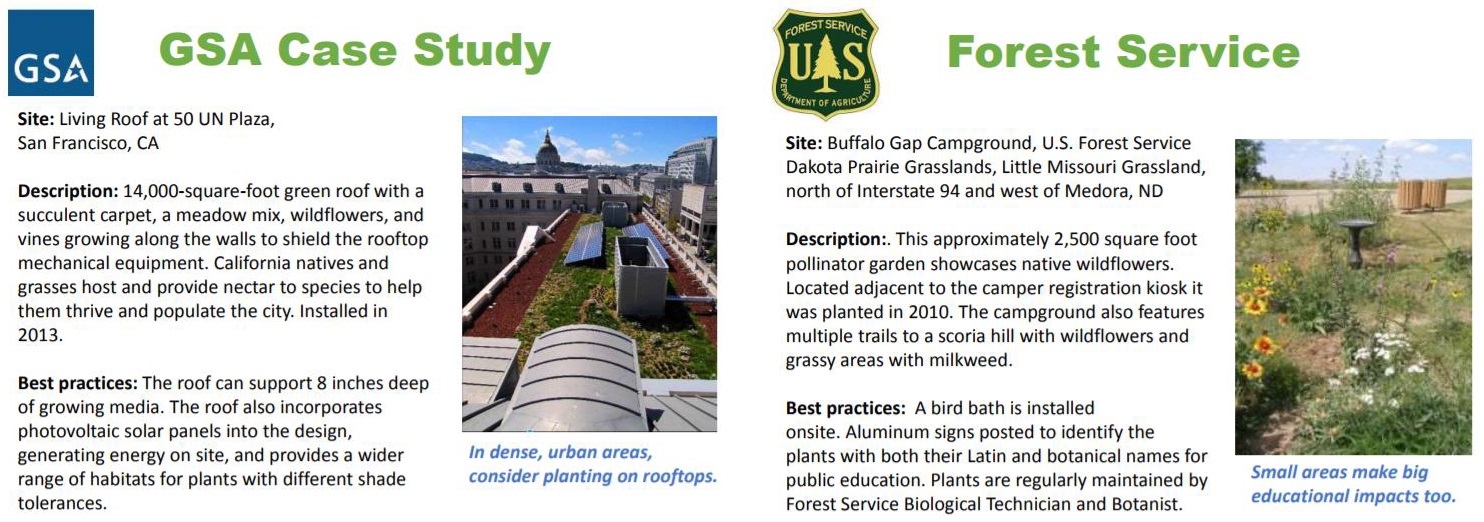
The Million Pollinator Garden Challenge has created a positive impact for pollinators across the United States. Helping pollinators helps other wildlife too.
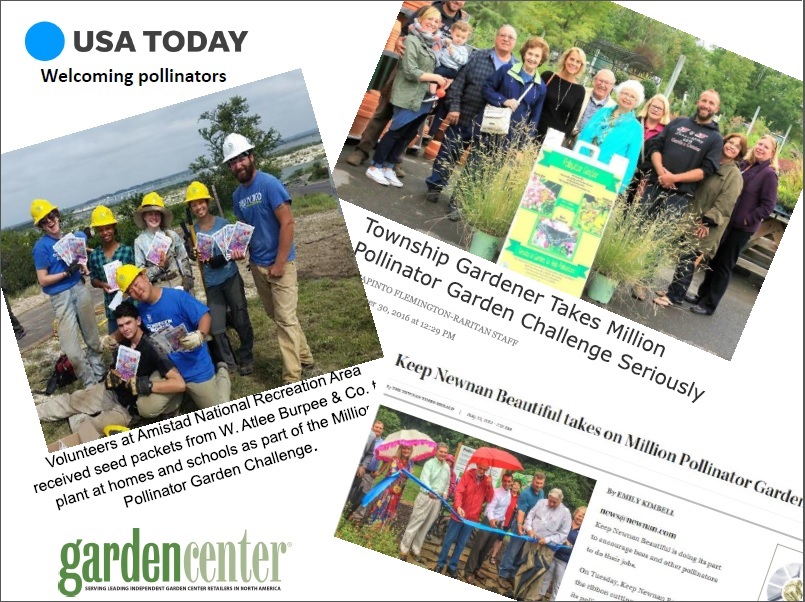
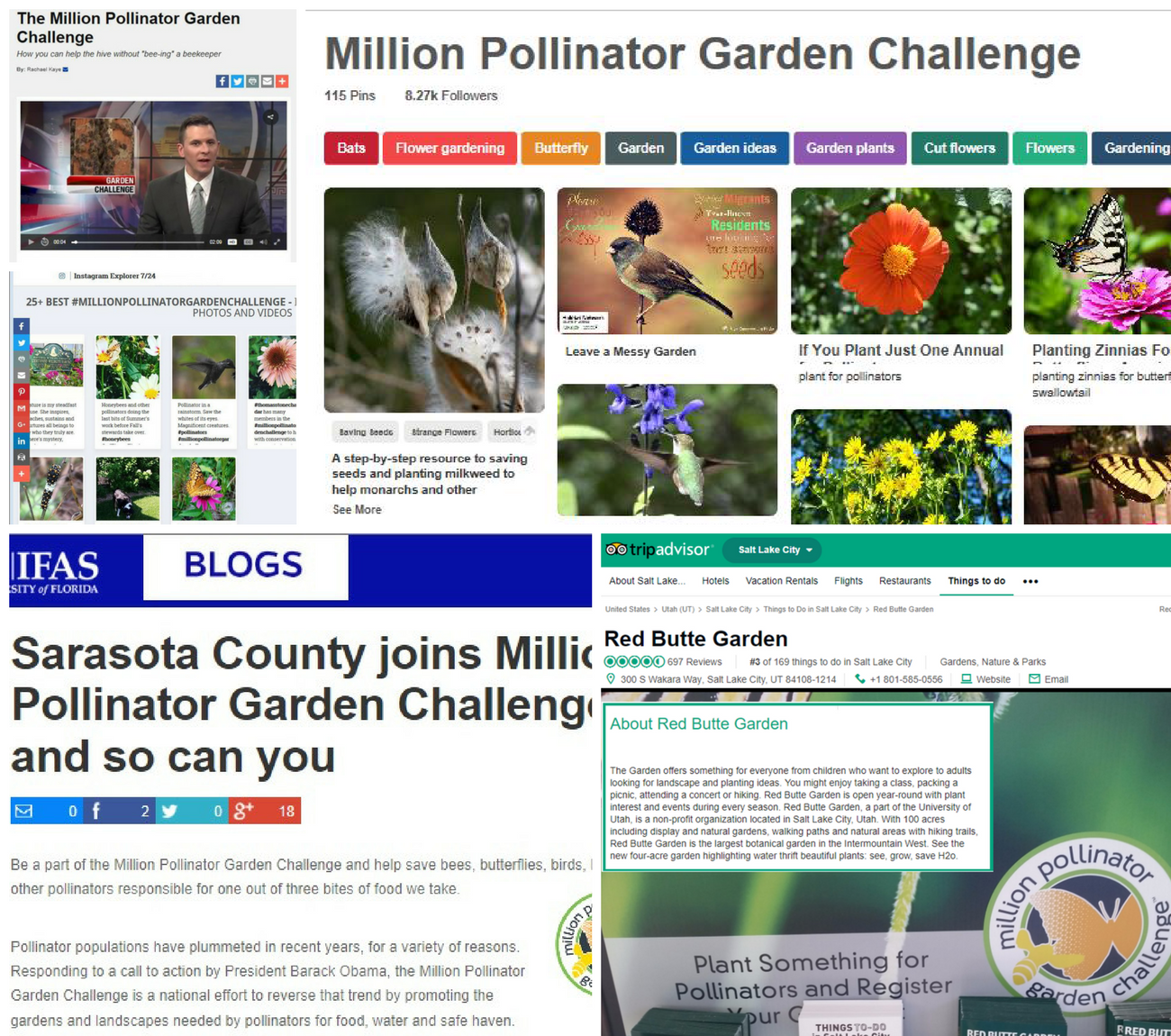
Gardens of all sizes make an impact and more gardens are creating more awareness. From 2015-2017, Million Pollinator Garden Challenge related articles, events and initiatives referenced across the Internet increased by 400% and over 20,000 schoolyard gardens are actively being enhanced and creating more pollinator habitat.
Check out some of the impact we have made!